When I first tried making chicken tandoori at home, I was struck by how the smoky aroma filled my kitchen, even without a traditional tandoor. It’s that deep red marinade, with its tangy, spicy punch, that makes every bite feel like a little celebration. Honestly, it’s a process that rewards patience and attention to detail, especially when aiming for that perfect charred edge.
What keeps me coming back to this dish is how versatile it is—great for summer cookouts or cozy weekend dinners. The marinade can be prepped in advance, which means you’re not tied to the stove or grill for hours. It’s a flavor punch that’s simple but deeply satisfying, especially when the edges get those beautiful blackened spots from direct heat.
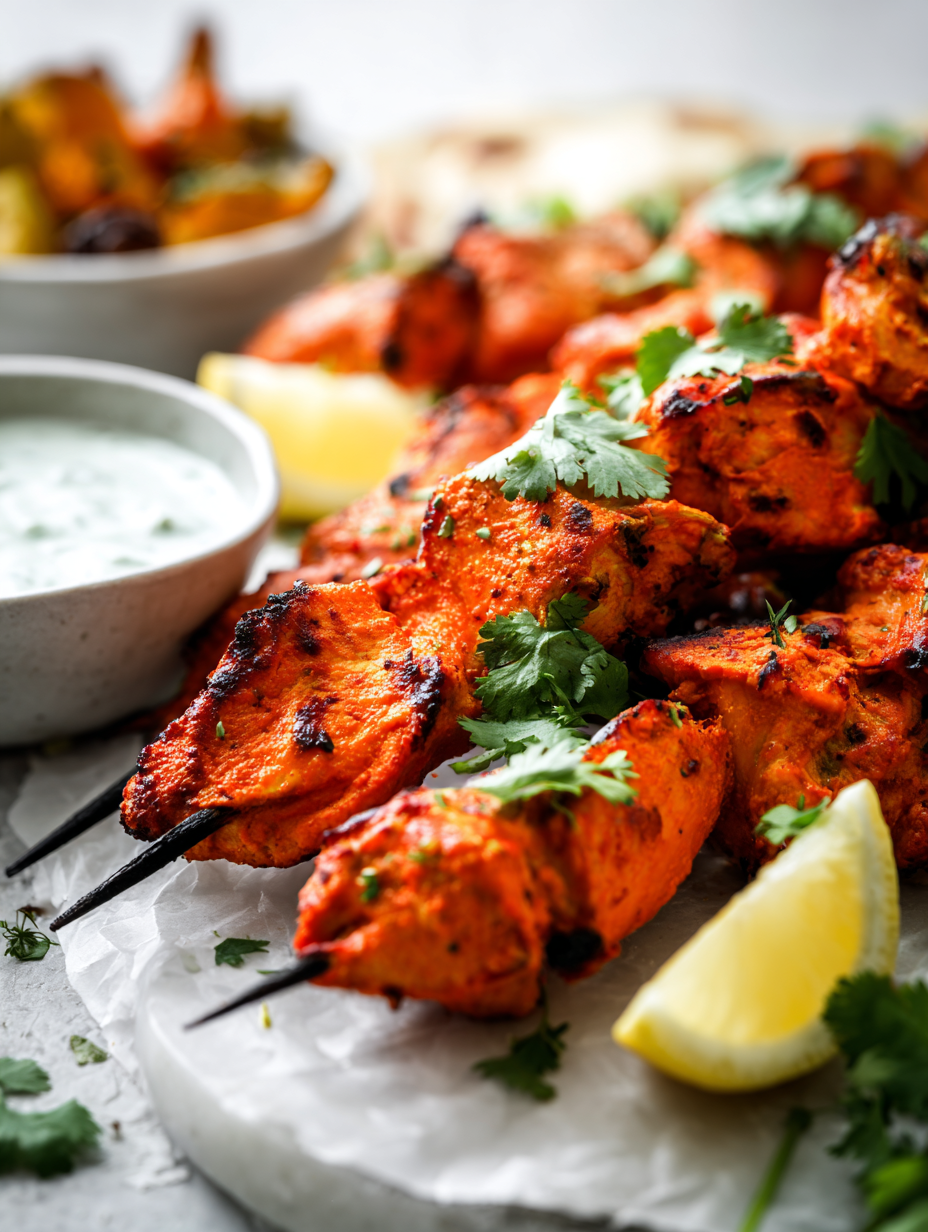
Focusing on the smoky, charred edges of chicken tandoori that develop during grilling, I want to share how achieving that perfect blackened crust can be surprisingly simple if you understand the nuances of heat and marinade. It’s not just about the spice blend but about mastering the balance between heat, timing, and the marinade’s acidity to get that authentic, slightly crispy exterior with juicy, tender insides.
Unlocking the smoky magic of homemade Chicken Tandoori
- I love how the smoky aroma of grilled chicken makes the whole house feel warm and inviting, even in the middle of winter.
- Getting that perfect char on the edges reminds me of summer nights spent around a fiery grill with friends.
- The marinade’s tangy, spicy punch brings back memories of my first trip to India, tasting authentic tandoori for the first time.
- There’s a quiet pride in mastering this dish—seeing the vibrant red color and crispy edges come together just right is so satisfying.
Unlocking the smoky magic of homemade Chicken Tandoori
- I remember the first time I tried making chicken tandoori, it was more about capturing that smoky, slightly charred edge than anything else. I was experimenting with my broiler, trying to mimic the intense heat of a tandoor, and somehow that crisp, blackened crust became my obsession. It’s funny how a simple marinade and a hot oven can give you that deep, smoky flavor I used to think only a traditional tandoor could deliver.
- That moment of discovery pushed me to play with heat and timing, learning how to get that perfect balance between juicy insides and crispy, spicy edges. It’s a dish that’s rooted in tradition but feels just as exciting when you figure out how to cheat the heat at home. Every grill session or oven roast feels like a little victory when the edges blacken just right, with that unmistakable smoky aroma wafting through the kitchen.
Ingredient Details
- Chicken: I prefer bone-in, skinless thighs for juiciness, but breasts work too if you want a leaner bite.
- Yogurt: Tangy and creamy, it tenderizes the chicken and helps the marinade cling; Greek yogurt is my go-to, but regular works fine.
- Garam Masala: My secret weapon for depth; it’s warm, aromatic, and just a pinch elevates the entire dish.
- Paprika: Smoked paprika adds a subtle smoky note, while sweet paprika gives color without heat—skip if you want more spice.
- Lemon Juice: Brightens everything up; I squeeze fresh lemon right before grilling for that fresh, citrus kick.
- Garlic & Ginger: Fresh is best—garlic for pungency, ginger for warmth. Use a microplane for quick, fine zesting.
- Oil: A splash of neutral oil helps the marinade coat evenly and prevents sticking on the grill or pan.
Key Ingredients
Chicken:
- I prefer bone-in, skinless thighs for juiciness, but breasts work too if you want a leaner bite.
- Yogurt: Tangy and creamy, it tenderizes the chicken and helps the marinade cling; Greek yogurt is my go-to, but regular works fine.
- Garam Masala: My secret weapon for depth; it’s warm, aromatic, and just a pinch elevates the entire dish.
Yogurt & Spices:
- Paprika: Smoked paprika adds a subtle smoky note, while sweet paprika gives color without heat—skip if you want more spice.
- Lemon Juice: Brightens everything up; I squeeze fresh lemon right before grilling for that fresh, citrus kick.
- Garlic & Ginger: Fresh is best—garlic for pungency, ginger for warmth. Use a microplane for quick, fine zesting.
Ingredient Swaps & Adjustments
- Dairy-Free: Swap yogurt for coconut milk or a thick almond-based yogurt. Keeps the marinade tangy but adds a subtle coconut aroma.
- Low-Sodium: Use reduced-salt spices and omit added salt. The dish will be milder but still flavorful with spices and lemon.
- Gluten-Free: Ensure spices are pure and free from gluten fillers. The marinade remains authentic without any wheat derivatives.
- Vegan: Replace chicken with firm tofu or tempeh, and use a plant-based yogurt or tahini-based marinade for creaminess.
- Sweet Paprika: Use regular paprika if smoked isn’t available. It’ll give color but less smoky depth.
- Oil: Substitute with ghee or clarified butter for richer flavor or a neutral vegetable oil for a lighter finish.
- Lemon Juice: Use lime juice for a slightly different citrus note, offering a more tart punch.
Equipment & Tools
- Mixing bowl: To combine marinade ingredients thoroughly.
- Fork or sharp knife: To pierce chicken for better marinade absorption.
- Grill or broiler: To achieve high, direct heat for char and smoky flavor.
- Wire rack or baking sheet: To hold chicken while cooking, allowing air circulation.
Cooking Steps for Chicken Tandoori
- Mix yogurt, lemon juice, garlic, ginger, spices, and oil in a bowl to make the marinade. Aim for a smooth, fragrant paste.
- Pierce chicken thighs all over with a fork or sharp knife to help marinade penetrate. Coat thoroughly in marinade, cover, and chill for at least 2 hours or overnight for deeper flavor.
- Preheat your grill or broiler to high, around 230°C (450°F). If using the oven, set to broil with the rack about 15 cm (6 inches) from the heat source.
- Remove chicken from marinade, letting excess drip off. Place on a hot grill or baking sheet lined with foil or a wire rack.
- Grill or broil for 6-8 minutes per side, watching for sizzling, smoky aroma, and darkening edges. Turn once, aiming for a charred, blackened crust.
- If using the oven, flip halfway through, and keep an eye on the edges turning black. If it gets too dark too fast, lower the heat slightly or reduce cooking time.
- Once the chicken has a deep red color with crispy, charred edges, transfer to a plate and let rest for 5 minutes before serving.
Rest chicken for 5 minutes to let juices settle, then serve with lemon wedges and fresh herbs.
How to Know It’s Done
- Edges are deeply charred, but meat remains juicy.
- Internal temperature reaches 75°C (165°F).
- Marinade has caramelized slightly, releasing smoky aroma.
Homemade Chicken Tandoori
Ingredients
Equipment
Method
- In a mixing bowl, whisk together Greek yogurt, lemon juice, minced garlic, grated ginger, Garam Masala, smoked paprika, and oil until smooth and fragrant.
- Pierce the chicken thighs all over with a fork or sharp knife to help the marinade penetrate deeply.
- Coat the chicken thoroughly with the marinade, making sure each piece is well covered. Cover the bowl and refrigerate for at least 2 hours, or overnight for more flavor.
- Preheat your grill or broiler to high, about 230°C (450°F). If using the oven, set the broiler about 15 cm (6 inches) from the heat source.
- Remove the chicken from the marinade, letting excess drip off, and place it on a wire rack set over a baking sheet or directly on the grill.
- Cook the chicken for 6-8 minutes per side, watching for sizzling sounds, fragrant smoky aroma, and edges turning dark and crispy. Turn carefully once edges develop a deep char.
- If using an oven, flip the chicken halfway through cooking, ensuring the edges develop a charred, smoky crust without burning.
- Once the chicken has a deep red color with crispy, blackened edges, transfer it to a plate and let rest for 5 minutes to allow juices to settle.
- Serve the chicken hot, garnished with lemon wedges and fresh herbs if desired, for a smoky, flavorful main dish.
Notes
Tips & Tricks for Perfect Tandoori
- Use a hot grill or broiler preheated to at least 230°C (450°F) for that authentic char.
- Pierce chicken all over before marinating to help the flavors penetrate deeply.
- Marinate for a minimum of 2 hours, but overnight for maximum flavor and tenderness.
- Watch the chicken carefully during cooking; turn when edges darken but before it burns.
- For a smoky flavor, add a handful of soaked wood chips on the grill or in a smoker box.
- Let the cooked chicken rest for 5 minutes; this keeps it juicy and helps the juices redistribute.
- If the edges blacken too fast, lower the heat slightly or move to a cooler part of the grill.
Common Mistakes and Fixes
- FORGOT to specify marinade time → Include at least 2 hours or overnight for best flavor penetration.
- DUMPED the marinade directly onto the chicken without piercing → Pierce first to help marinade absorb deeply.
- OVER-TORCHED the chicken on high heat → Watch closely, turn when edges darken but before it burns.
- USED the wrong rack height in oven → Keep chicken about 15 cm (6 inches) from heat source for even charring.
Quick Fixes for Common Issues
- WHEN chicken isn’t marinating long enough, it won’t absorb smoky flavors—marinate at least 2 hours or overnight.
- DUMPED marinade directly on chicken without piercing? Pierce first to help flavors penetrate deep.
- OVER-TORCHED edges? Reduce heat or turn chicken sooner, so edges blacken without burning.
- IF chicken sticks or tears when flipping, use a well-oiled grill or rack to prevent sticking.
- PATCH uneven charring by moving chicken to cooler spots on the grill for a more even cook.
Make-Ahead & Storage Tips
- Marinate the chicken up to 24 hours in advance for deeper flavor.
- Store marinated chicken in an airtight container in the fridge; it keeps well for up to 24 hours.
- Refrigerated chicken may lose some of its smoky aroma, but it will still be flavorful after reheating.
- To reheat, cook in the oven at 180°C (350°F) until warmed through, about 10-15 minutes, until fragrant and hot.
- Leftover cooked chicken can be refrigerated for 2-3 days or frozen for up to 1 month.
- Freeze cooked or raw chicken in a sealed bag or container; defrost in the fridge overnight before reheating or grilling.
Frequently Asked Questions
1. Can I use chicken breasts instead of thighs?
Use bone-in, skinless thighs for juiciness; they hold flavor well and develop a nice char. Breasts can work too if you prefer leaner meat.
2. Can I substitute the yogurt in the marinade?
Yogurt tenderizes and helps the marinade stick. Greek yogurt adds creaminess, but regular yogurt works fine if that’s what you have.
3. What temperature should I cook the chicken at?
Preheat your grill or broiler to high, around 230°C (450°F). Cook the chicken until the edges are charred and crispy, about 6-8 minutes per side.
4. How long should I marinate the chicken?
Marinate the chicken for at least 2 hours, but overnight is best for deep flavor. Keep it covered in the fridge during this time.
5. Can I use regular paprika instead of smoked paprika?
Use smoked paprika for a smoky flavor, or sweet paprika for color without heat. Adjust based on your spice preference.
6. Why do I need to pierce the chicken before marinating?
Pierce the chicken all over to help the marinade penetrate deeply, resulting in more flavor and tenderness.
7. What if my chicken keeps burning on the edges?
If edges blacken too fast, lower the heat slightly or move the chicken to a cooler part of the grill. Keep an eye on it to prevent burning.
8. Should I rest the chicken after cooking?
Rest the cooked chicken for 5 minutes to allow juices to settle, then serve with lemon wedges and fresh herbs for added brightness.
9. How should I store chicken tandoori leftovers?
Leftover marinated chicken can be kept in the fridge for up to 24 hours. Cooked leftovers last for 2-3 days in the fridge or up to a month frozen.
10. How do I reheat leftovers without drying them out?
When reheating, warm in a 180°C (350°F) oven for 10-15 minutes until fragrant and hot. It helps preserve flavor and texture.
Cooking this chicken tandoori at home is about embracing the smoky, charred edges that develop with just a grill or broiler. It’s a simple way to get that deep, spicy flavor without needing a traditional tandoor, and the process reminds me how much heat and patience matter. It’s a dish that feels both familiar and exciting, especially when the edges crackle and blacken against tender, juicy meat.
Right now, with summer barbecues winding down and cozy nights ahead, this recipe feels like a perfect way to gather around heat and flavor. It’s honest, messy, and deeply satisfying—just like good cooking should be. Once you get the hang of balancing heat and marinade, it’s hard to go back to takeout or store-bought spice mixes.

Hi, I’m Emily Carter, the founder of Absolute Chaos Mode. Born and raised in Portland, Oregon, I grew up in a household where dinner was equal parts delicious and unpredictable