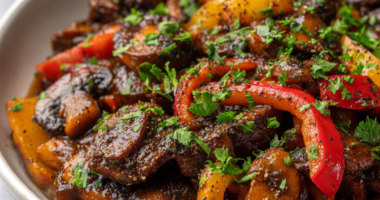
Vegetable fajitas might seem simple, but focusing on caramelizing each veggie to perfection turns a quick dinner into something almost smoky and deep. It’s about patience—letting the peppers and onions sit until they’re lightly charred and sweet, then tossing in zucchini and mushrooms that soak up all that flavor. This isn’t just a veggie dish; it’s a slow-simmered, savory experience that surprises even my meat-loving friends.
I’ve always loved the ritual of prepping fajitas—chopping, sizzling, and smelling all those vibrant aromas mingle in the kitchen. But I’ve learned that the magic isn’t just in quick cooking, it’s in giving each vegetable time to develop its own character. It’s a kind of quiet, honest transformation—simple ingredients becoming a complex, satisfying feast.
Focusing on the overlooked charm of caramelized vegetables in fajitas, this recipe emphasizes the importance of patience in building deep, smoky flavor—transforming simple garden produce into a savory, almost meaty experience that surprises even seasoned cooks.
The overlooked charm of caramelized vegetables
- Caramelizing the peppers and onions fills the kitchen with a sweet, smoky aroma that instantly lifts my mood.
- There’s a quiet pride in turning colorful vegetables into something almost meaty with patience and good heat.
- I used to rush through fajitas, but now I savor every caramelized bite, feeling the deep, savory transformation.
- The smell of sizzling zucchini and mushrooms reminds me of lazy summer evenings and simple, honest food.
- Getting that perfect char on the veggies is a small victory—each time, I feel a bit more connected to the process.
The inspiration behind this dish
- This recipe was born out of a lazy weekend wander through my local farmers’ market. I was struck by the rainbow of peppers and zucchinis, all begging to be turned into something warm and satisfying. I wanted to capture that moment of fresh, vibrant produce transforming into a smoky, caramelized dish that feels like a hug in every bite.
- It’s also a little rebellion against the overly complicated, fussed-over weeknight dinners. Sometimes, I just want a plate of tender veggies with a punch of flavor—no fuss, no fussing, just good ingredients and patience. That’s how these fajitas came to be—simple, honest, and deeply satisfying.
- heading
Fascinating Fajita Origins
- Vegetable fajitas originated in Tex-Mex cuisine, blending Mexican flavors with American adaptations, likely in the 1980s.
- The dish was initially a quick, vegetarian alternative to traditional beef fajitas, gaining popularity for its vibrant colors and smoky flavors.
- Fajitas are believed to have been named after the skirt steak cut, but today, the focus on vegetables celebrates its plant-based evolution.
- The caramelization technique in this recipe echoes the slow-simmered, smoky roots of traditional fajita preparation, emphasizing patience and flavor depth.
Ingredient breakdown: key components
- Red bell peppers: I love the sweet, smoky aroma when they char—skip the skin to keep it tender and vibrant. You can swap with yellow peppers for more color without losing flavor.
- Onions: Their sweet, caramelized flavor is the backbone of fajitas. Thinly slice and cook until golden—if they burn, turn down the heat immediately.
- Zucchini: I find their mild, slightly grassy flavor balances the dish. Slice evenly so they cook uniformly; for a firmer bite, cook less.
- Mushrooms: Their umami richness, especially when browned, adds depth. Use cremini or button mushrooms; skip if you prefer a lighter veggie profile.
- Fajita spices: I rely on smoked paprika, cumin, and chili powder for that smoky punch—feel free to adjust to your heat preference, but don’t skip the paprika for color and aroma.
- Lemon juice: Brightens everything up with a sharp, fresh tang—squeeze over the veggies at the end. If out of lemon, a splash of lime works just as well.
- Olive oil: Use good-quality oil for sautéing; it enhances the smoky caramelization. For a nuttier flavor, try avocado oil, which handles high heat better.
Spotlight on key ingredients
Red bell peppers:
- Their smoky, sweet aroma intensifies as they char, skin blistering and turning deeply red and blackened. For a milder flavor, remove the skin after roasting, revealing tender, oozy flesh.
- Onions: When cooked slowly, their sugars caramelize into a golden, jammy richness. They soften and release a sweet, almost buttery scent that fills the kitchen, contrasting their sharp raw bite.
Mushrooms:
- Zucchini: Its mild, grassy flavor turns subtly sweet and tender when sautéed, with edges lightly caramelized. Keep slices evenly thick to ensure uniform cooking, and look for a slight shimmer of oil on the surface for perfect doneness.
- When browned, their umami deepens and releases a savory scent, with juices evaporating to intensify flavor. Using cremini or button mushrooms adds a meaty texture, but avoid overcrowding the pan to prevent steaming.
Notes for ingredient swaps
- Dairy-Free: Skip cheese or sour cream; use avocado slices or vegan crema for creaminess without dairy.
- Gluten-Free: Use corn or lettuce wraps instead of flour tortillas for a gluten-free wrap option.
- Vegetarian: This recipe is already veggie-focused, but avoiding mushrooms keeps it lighter and more delicate.
- Spice Level: Reduce chili powder or add a dash of honey to mellow out the heat for sensitive palates.
- Caramelization: Use coconut sugar instead of regular sugar in the marinade for a subtle tropical note.
- Freshness: Swap fresh cilantro for parsley if you dislike it, though it changes the signature aroma.
- Oil Choice: Swap olive oil for avocado oil for a higher smoke point and nuttier flavor.
Equipment & Tools
- Large skillet or cast-iron pan: To evenly cook and caramelize the vegetables with high heat.
- Sharp knife: For precise slicing of peppers, onions, zucchini, and mushrooms.
- Cutting board: To provide a safe, stable surface for prep work.
- Spatula or tongs: To stir and turn the vegetables without breaking them.
- Lemon or lime: To brighten the dish with fresh citrus juice.
Step-by-step guide to vegetable fajitas
- Equip a large skillet or cast-iron pan, ideally 30cm (12 inches), for even heat distribution and ample space.
- Slice peppers and onions into strips about 1/4 inch thick; keep the slices uniform for even caramelization.
- Heat the pan over medium-high heat (~200°C / 390°F) until shimmering; add 1-2 tbsp olive oil and swirl to coat.
- Add peppers and onions first, spreading them out. Cook without stirring for 3-4 minutes until they begin to char and soften.
- Stir occasionally, then cook another 4-5 minutes, until they are richly caramelized, tender, and smoky in aroma.
- Create space in the pan, add zucchini slices, and cook for 3 minutes until they develop light browning and release a fresh aroma.
- Add sliced mushrooms, cook for another 4-5 minutes until browned and their juices have evaporated, intensifying umami.
- Sprinkle fajita spices (1 tsp smoked paprika, 1/2 tsp cumin, 1/4 tsp chili powder) over the veggies, stir well to coat.
- Squeeze a fresh lemon wedge or lime over the mixture, stirring to brighten and balance the smoky flavors.
- Continue cooking for 2 minutes, allowing flavors to meld and veggies to be cooked through but still vibrant.
- Remove from heat and let rest for 2 minutes to allow flavors to settle and veggies to firm slightly.
- Serve immediately in warm tortillas, garnished with fresh cilantro or avocado if desired.
Once off heat, let the veggies rest for 2 minutes to allow flavors to settle. Serve immediately in warm tortillas, topped with your favorite garnishes.
How to Know It’s Done
- Veggies should be deeply caramelized with some charred spots for smoky depth.
- Onions should be golden and tender, almost jam-like in texture.
- Zucchini slices should be slightly tender but still hold their shape, not mushy.
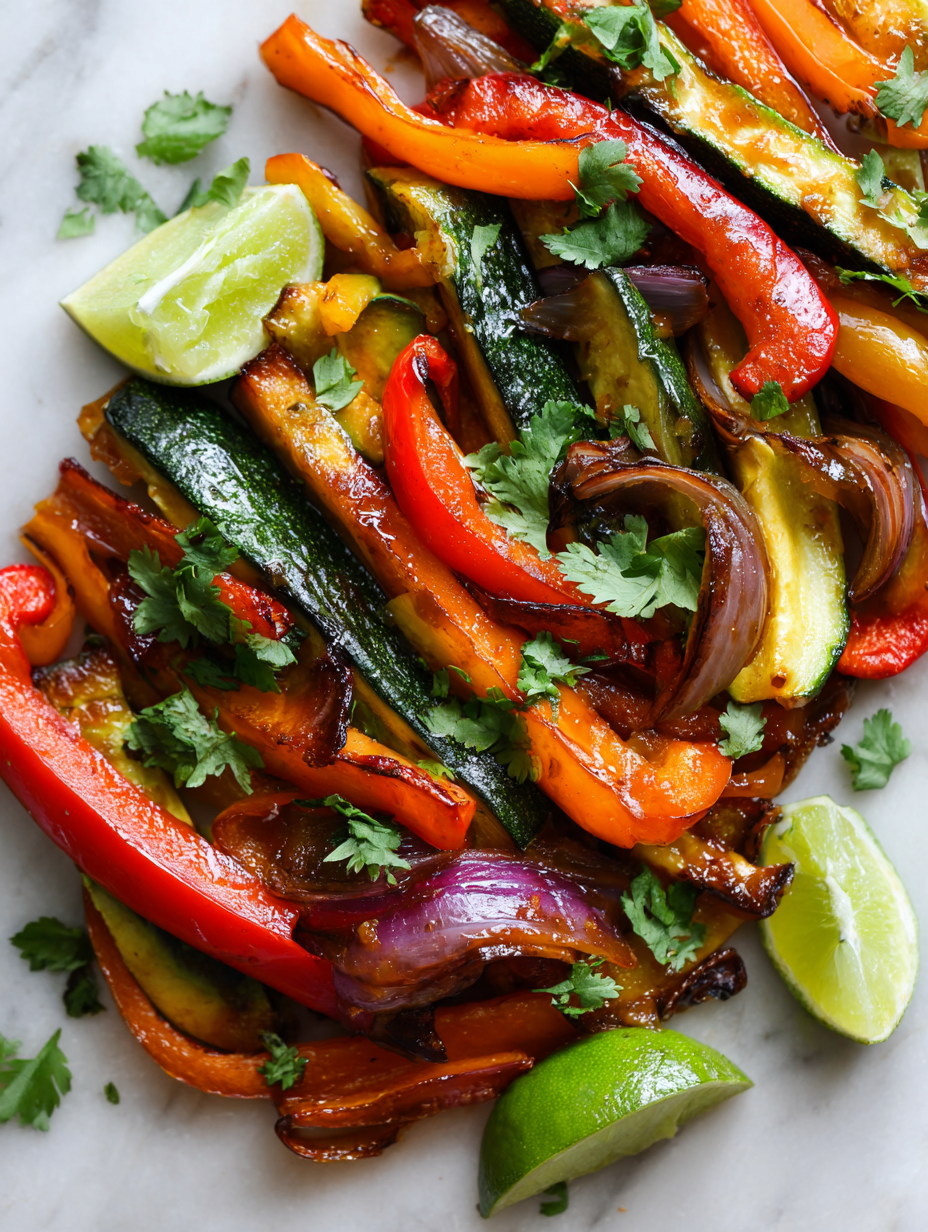
Caramelized Vegetable Fajitas
Ingredients
Equipment
Method
- Slice the peppers and onions into strips about 1/4 inch thick, keeping the pieces uniform for even caramelization.
- Heat your skillet over medium-high heat until shimmering, then add 1-2 tablespoons of olive oil, swirling to coat the surface.
- Add the sliced peppers and onions to the hot pan, spreading them out evenly. Let them cook undisturbed for 3-4 minutes until they start to char and soften, releasing a sweet, smoky aroma.
- Stir the vegetables and cook for another 4-5 minutes, stirring occasionally, until they are deeply caramelized with golden brown edges and a rich smoky scent filling the kitchen.
- Create space in the pan and add the zucchini slices, spreading them out to cook without overcrowding. Cook for about 3 minutes until they develop light browning and release a fresh aroma.
- Add the sliced mushrooms, stirring them into the veggies. Cook for 4-5 minutes until browned and their juices evaporate, intensifying the umami aroma.
- Sprinkle the smoked paprika, cumin, and chili powder over the mixture, stirring well to evenly coat all the vegetables with smoky, warm spices.
- Squeeze the juice of the lemon over the vegetables, stirring to brighten the smoky flavors and add a fresh zing.
- Cook for another 2 minutes, allowing the flavors to meld and the veggies to be tender yet still vibrant and slightly sticky from caramelization.
- Remove the skillet from heat and let the vegetables rest for 2 minutes; this helps flavors settle and improves texture.
- Serve the caramelized vegetables immediately in warm tortillas, garnished with your favorite toppings like cilantro or avocado if desired.
Tips for perfect veggie fajitas
- Bolded mini-head: Use high heat to quickly develop smoky, charred edges that lock in flavor.
- Bolded mini-head: Keep vegetables evenly sliced for uniform caramelization and color.
- Bolded mini-head: Don’t overcrowd the pan; cook in batches if needed to avoid steaming.
- Bolded mini-head: Add lemon juice at the end to brighten the smoky depth with a fresh zing.
- Bolded mini-head: Let the veggies rest for a couple of minutes off heat—this helps flavors meld and improves texture.
- Bolded mini-head: Use a cast-iron skillet for even heat and better charring, but a heavy pan works too.
- Bolded mini-head: Stir less in the beginning to allow veggies to develop a good char and sweet aroma.
Common mistakes and how to fix them
- FORGOT to preheat the pan → Always heat pan before adding oil to prevent sticking.
- DUMPED the veggies too early → Wait until they are deeply caramelized before stirring.
- OVER-TORCHED the peppers → Reduce heat if peppers turn black too quickly.
- MISSED the resting step → Rest cooked veggies 2 minutes for better flavor absorption.
Quick fixes and pantry swaps
- If veggies burn, splash with a little water and lower the heat immediately.
- When peppers are too bitter, toss with a pinch of sugar to balance flavors.
- Splash vinegar if onions release too much raw bite for a tangy counter.
- Patch over a smoky smell with fresh lemon juice to brighten the air and dish.
- Shield overcooked veggies with a damp towel to maintain moisture and prevent charring.
Prep, store, and reheat tips
- Prep the vegetables: Slice peppers, onions, zucchini, and mushrooms a day ahead. Keep in airtight containers in the fridge—veggies stay fresh for up to 2 days and develop a slightly sweeter aroma overnight.
- Caramelized veggies can be stored for up to 2 days in the fridge. Reheat in a hot skillet until they shimmer and smell deeply smoky—add a splash of water if they start to dry out.
- Tortillas can be wrapped in foil and stored at room temperature for a day, or in the fridge for up to a week. Warm them briefly on a skillet or in the microwave for best texture.
- The spice blend can be made ahead and kept in a jar for up to a month. The flavors deepen over time, making your next fajitas even more aromatic and smoky.
- Reheating cooked veggies should be done over medium-high heat to restore caramelization and smoky scent. Expect slightly softer texture, but the flavor will still shine.
Top questions about vegetable fajitas
1. Why caramelize the vegetables?
Caramelizing the veggies brings out a sweet, smoky flavor with a tender texture. Skip this step for a milder, less complex dish.
2. How do I get good charring?
Use a hot skillet and avoid overcrowding to get that charred, smoky look on the peppers and onions.
3. How should I slice the veggies?
Slice the vegetables uniformly so they cook evenly and develop that beautiful caramelized color together.
4. When should I add citrus?
Add lemon or lime juice at the end for a bright, fresh contrast to the smoky vegetables.
5. What order should I cook the veggies?
Cook the peppers and onions first until deeply charred, then add zucchini and mushrooms later to prevent overcooking.
6. How long can I store leftovers?
Store sliced vegetables in airtight containers in the fridge for up to 2 days. Reheat in a hot pan until fragrant and slightly smoky again.
7. What pan works best?
Use a cast-iron skillet for better heat retention and charring, but a heavy stainless pan works well too.
8. How can I control the spice level?
Adjust spice levels by adding more chili powder or paprika for heat, or less for milder flavor.
9. How do I keep the veggies from getting mushy?
If veggies are too soft, cook them for less time or at slightly lower heat to keep some bite.
10. How can I make this vegan?
For a vegan option, skip cheese and sour cream, and add avocado or a splash of vegan crema for richness.
This vegetable fajitas recipe is a reminder that good, honest ingredients can stand on their own with a little patience and heat. The smoky aroma, tender-crisp veggies, and bright citrus finish make it a meal that feels both simple and satisfying. It’s a dish that celebrates the everyday, transformed through caramelization and care.
Sometimes, it’s these humble, vegetable-packed plates that bring the most comfort—especially when they come together with honest flavors and a bit of smoky magic. No matter the season, they’re a reminder that delicious doesn’t have to be complicated or fancy, just real and hearty.

Hi, I’m Emily Carter, the founder of Absolute Chaos Mode. Born and raised in Portland, Oregon, I grew up in a household where dinner was equal parts delicious and unpredictable